Converts and Conflict
The First Missionary Journey (Acts 11–15)
Christianity has never advanced on a single front. From the beginning, the Kingdom has moved forward with a trowel in one hand and a sword in the other—building while battling, sowing while defending. Jesus Himself framed the work this way: wheat and tares, sheep and wolves, seed and sabotage.
If your idea of church is uninterrupted peace, you won’t last long in the book of Acts. The First Missionary Journey makes that plain.
If your idea of church is uninterrupted peace, you won’t last long in the book of Acts. The First Missionary Journey makes that plain.
Setting the Stage: From Tarsus to Antioch
For nearly a decade, Paul lived in obscurity in his hometown of Tarsus. He worked. He waited. He suffered quietly. And then—when most men settle into comfort—God summoned him into the most demanding season of his life. Just 86 miles away, something explosive was happening in Antioch.
Persecution scattered believers after Stephen’s martyrdom, and the gospel crossed a crucial line: Gentiles began hearing—and believing—the message of Christ (Acts 11). Antioch became the first truly multi-ethnic church, and it changed everything.
Barnabas was sent to investigate. He saw the grace of God at work and immediately went looking for Paul. For a full year, they taught together in Antioch. It was here—significantly—that believers were first called Christians. The church was growing. It was generous. And it was ready.
Persecution scattered believers after Stephen’s martyrdom, and the gospel crossed a crucial line: Gentiles began hearing—and believing—the message of Christ (Acts 11). Antioch became the first truly multi-ethnic church, and it changed everything.
Barnabas was sent to investigate. He saw the grace of God at work and immediately went looking for Paul. For a full year, they taught together in Antioch. It was here—significantly—that believers were first called Christians. The church was growing. It was generous. And it was ready.
The Church That Sent, Not Settled
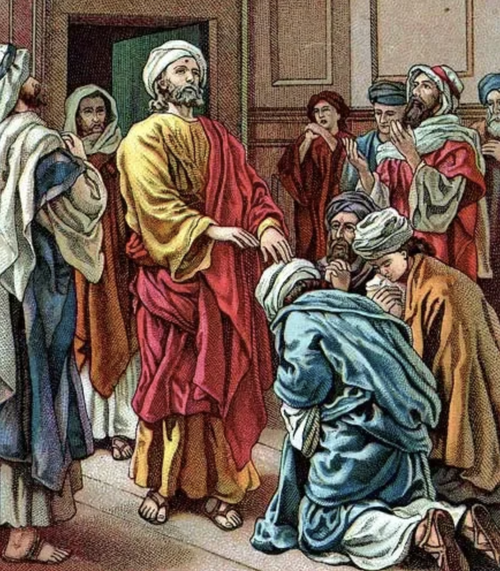
Antioch had gifted leaders. Most churches would have clung to them. Instead, Antioch fasted and prayed. And while they ministered to the Lord, the Holy Spirit spoke plainly: “Set apart for Me Barnabas and Saul for the work to which I have called them.” This was no symbolic gesture. The laying on of hands meant shared risk. Antioch wasn’t outsourcing missions—they were going with them.
This moment marks the first intentional missionary movement of the Church.
This moment marks the first intentional missionary movement of the Church.
Stop One: Cyprus — Power Encounters and Leadership Shift
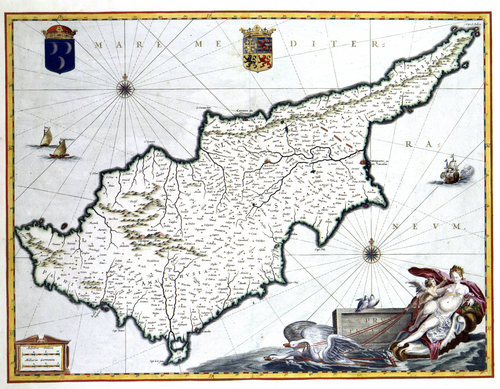
The team sailed from Seleucia to Cyprus, Barnabas’s home territory. Two watershed moments occur here:
More importantly, leadership shifts. Luke subtly changes his language from “Barnabas and Saul” to “Paul and his companions.” God was clarifying the call.
- Sergius Paulus, a Roman governor, is converted—the first high-ranking Gentile official to believe.
- Saul begins using his Roman name, Paul—a strategic move for the Gentile mission.
More importantly, leadership shifts. Luke subtly changes his language from “Barnabas and Saul” to “Paul and his companions.” God was clarifying the call.
Stop Two: Pisidian Antioch — Gospel Clarity, Gospel Conflict
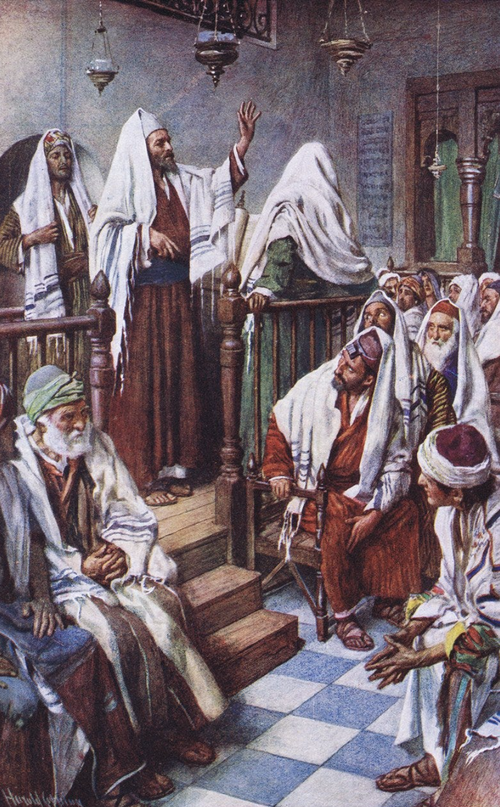
After a grueling inland journey, they arrived at Pisidian Antioch. Here, Paul preached his first recorded sermon—a sweeping review of Israel’s history culminating in Christ, calling hearers to repentance and faith. The response was electric. Then came jealousy.
Religious leaders contradicted Paul publicly, and a decisive line was drawn: the gospel would now go directly to the Gentiles. Controversy clarified the mission.
Religious leaders contradicted Paul publicly, and a decisive line was drawn: the gospel would now go directly to the Gentiles. Controversy clarified the mission.
Stop Three: Iconium — Fruit, Fury, and Flight
In Iconium, the pattern repeated:
When a lynch mob formed, Paul and Barnabas crossed the border into a new region. Wisdom sometimes looks like retreat—but it serves the advance of the gospel.
- Strong response
- Growing opposition
- Threat of violence
When a lynch mob formed, Paul and Barnabas crossed the border into a new region. Wisdom sometimes looks like retreat—but it serves the advance of the gospel.
Stop Four: Lystra & Derbe — Stones, Gods, and Grit
In Lystra, raw paganism replaced synagogue debates. After Paul healed a crippled man, the crowd mistook Barnabas and Paul for Zeus and Hermes. When Jewish opponents arrived and stirred the people, worship turned to violence.
Paul was stoned and left for dead. The next day, he stood up—and walked 55 miles to Derbe. This is not fragile faith. This is gospel resolve.
Paul was stoned and left for dead. The next day, he stood up—and walked 55 miles to Derbe. This is not fragile faith. This is gospel resolve.
The Return Journey: Strengthening, Not Abandoning
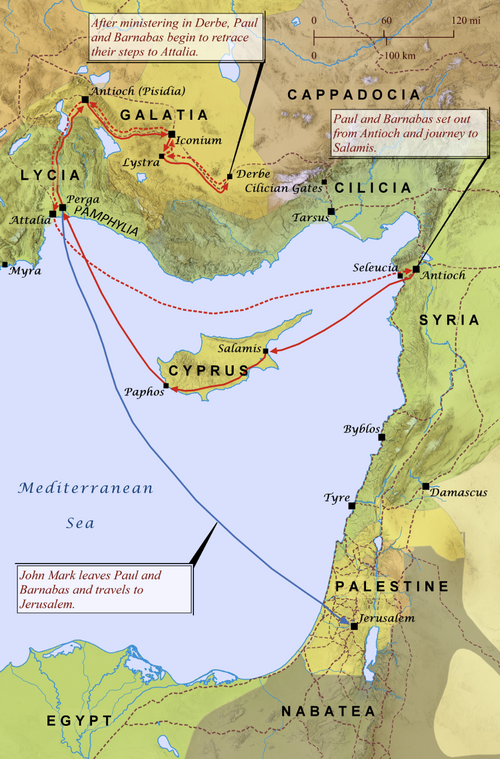
Instead of taking the easy route home, Paul and Barnabas revisited every hostile city, strengthening disciples and appointing elders. They returned to Antioch in Syria having traveled over 1,000 miles, most of it on foot.
And then the real theological battle began. The Jerusalem Decision: Grace Without Additions. Some insisted Gentiles must become Jewish to be saved. Paul refused.
The issue wasn’t cultural preference—it was the gospel itself. At Jerusalem, the apostles affirmed the truth: Salvation is by grace alone, through faith alone, in Christ alone. No circumcision. No law-keeping. No additions. Unity was preserved without compromising truth.
And then the real theological battle began. The Jerusalem Decision: Grace Without Additions. Some insisted Gentiles must become Jewish to be saved. Paul refused.
The issue wasn’t cultural preference—it was the gospel itself. At Jerusalem, the apostles affirmed the truth: Salvation is by grace alone, through faith alone, in Christ alone. No circumcision. No law-keeping. No additions. Unity was preserved without compromising truth.
Why This Journey Still Matters
The First Missionary Journey teaches us enduring lessons:
Christianity is not a cruise—it is a battle campaign. And the work continues.
- The Church advances by intentional mission, not passive comfort
- Some doctrines are closed-handed—worth fighting for others, like the name of Saul, could be open-handed.
- Gospel clarity often emerges through conflict
- Faithful ministry requires stamina, courage, and conviction
Christianity is not a cruise—it is a battle campaign. And the work continues.
The Maximum Life Blog
My name is Zach Terry. The thoughts and opinions expressed in this blog are my own, with occasional interjections from my bride of nearly 25 years, Julie. This format of publication is meant to allow for engagement and interaction. Feel free to comment. But please, be nice.
Recent
Archive
2026
January
Cleansing the PalateThe Library of MankindSuch a Strange Way to Save the WorldLoved Like RachelCode Red | From the Army to Audiobooks — Faith, Literature, and the Making of a Voice ActorConverts and ConflictMaids and Mandrakes: Dysfunction, Departure, and Divine Grace in Genesis 30The Importance of Children's Theology BooksDealing with a Narcissist
2025
February
March
July
August
September
October
Why We Should Bless IsraelGovernment Shutdowns and God’s Blueprint for Smaller GovernmentCompassion and ConsequencesSodom, Netflix, and the Two Paths Before UsRevival Isn’t a Rumor — It’s HappeningIt’s Time to Stop Playing It SafeA New Door OpensPreach the Word. Show Your Hand.When “Love Your Neighbor” Becomes a WeaponA New Day DawningPaving the Way of Anti-ChristThe Church and the Honky-TonkMy Personal Position on Israel
November
2024
April
May
August
No Comments