Passing the Torch of Faith
Genesis 26
If you’re anything like me, you probably despise most commercials. But every now and then an advertiser strikes gold. The Progressive ads—“We can’t protect you from becoming your parents”—are some of the most brilliantly observed humor on television.
There’s Dr. Rick teaching a man that when the bathroom door closes “the conversation also closes.” Or the guy in the grocery store who starts helping the stock boy do his job. Or the earnest young dad coaching someone at a fire pit: “What kind of wood you got there?”
The punchline is always the same: “We can’t keep you from becoming your parents.”It’s funny because it’s true—at least in terms of habits, décor choices, and the way we call out coffee orders at Starbucks. But when it comes to faith, the reality is very different.
According to Pew Research (2024), 42% of Gen Z adults identify as religiously unaffiliated—the highest of any generation in American history. The next generation is not becoming their parents spiritually. Many aren’t becoming anyone’s spiritual descendants at all.
Genesis 26 gives us a roadmap for how to pass on the torch of faith in a world where the cultural winds have shifted dramatically—and where our own children are standing in a very different landscape than the one we inherited.
There’s Dr. Rick teaching a man that when the bathroom door closes “the conversation also closes.” Or the guy in the grocery store who starts helping the stock boy do his job. Or the earnest young dad coaching someone at a fire pit: “What kind of wood you got there?”
The punchline is always the same: “We can’t keep you from becoming your parents.”It’s funny because it’s true—at least in terms of habits, décor choices, and the way we call out coffee orders at Starbucks. But when it comes to faith, the reality is very different.
According to Pew Research (2024), 42% of Gen Z adults identify as religiously unaffiliated—the highest of any generation in American history. The next generation is not becoming their parents spiritually. Many aren’t becoming anyone’s spiritual descendants at all.
Genesis 26 gives us a roadmap for how to pass on the torch of faith in a world where the cultural winds have shifted dramatically—and where our own children are standing in a very different landscape than the one we inherited.
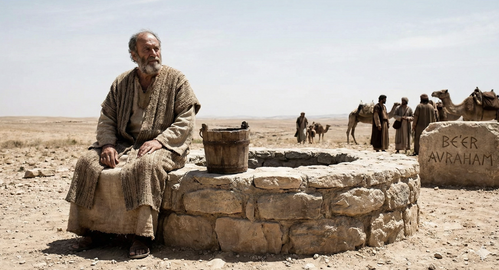
Isaac: The Transitional Generation
Genesis devotes 14 chapters to Abraham.
It devotes 24 to Jacob.
Another 14 to Joseph.
Isaac? One chapter.
Genesis 26 is the Bible’s entire biographical spotlight on him. Isaac’s role is transitional—he stands between a faithful father and a complicated son. His question is the same question facing every believer raising children today: “Will God be with me as He was with my parents?” And will my children see enough evidence of His presence in my life to trust Him with theirs?
The gospel has not changed.
The Lord has not changed.
The mission has not changed.
But the context has changed dramatically.
It devotes 24 to Jacob.
Another 14 to Joseph.
Isaac? One chapter.
Genesis 26 is the Bible’s entire biographical spotlight on him. Isaac’s role is transitional—he stands between a faithful father and a complicated son. His question is the same question facing every believer raising children today: “Will God be with me as He was with my parents?” And will my children see enough evidence of His presence in my life to trust Him with theirs?
The gospel has not changed.
The Lord has not changed.
The mission has not changed.
But the context has changed dramatically.
The New Realities This Generation Faces
1. A Different Economy
Gen Z was born during economic chaos and raised in uncertainty.
The Great Recession (2007–2009) was the worst economic collapse since the Great Depression. Homes vanished. Careers evaporated. Retirements were gutted. Gen Z was still in diapers—and the economic instability that shaped their early environment never really went away.
Today? According to fresh 2025 Cato/YouGov data:
What used to be a cautionary tale is now a career path.
This is their normal.
2. A Different Environment
This is the first generation in human history that has never experienced true solitude.
They breathe digital oxygen.
We raised a generation with infinite information and almost no quiet.
3. Different Ethical Categories
This generation has been taught:
And unlike prior generations who still had lingering familiarity with Christian categories—sin, holiness, gender, truth—Gen Z doesn’t share that vocabulary.
You can’t call people back to a God they’ve never met. You can’t summon them to truth when the very concept sounds foreign. This is the context we’re raising them in.
This is what Genesis 26 speaks into.
Gen Z was born during economic chaos and raised in uncertainty.
The Great Recession (2007–2009) was the worst economic collapse since the Great Depression. Homes vanished. Careers evaporated. Retirements were gutted. Gen Z was still in diapers—and the economic instability that shaped their early environment never really went away.
Today? According to fresh 2025 Cato/YouGov data:
- 62% of Americans ages 18–29 have a favorable view of socialism.
- A Democratic Socialist now governs America’s largest city.
What used to be a cautionary tale is now a career path.
This is their normal.
2. A Different Environment
This is the first generation in human history that has never experienced true solitude.
They breathe digital oxygen.
- Nine hours of screen time a day outside of schoolwork is typical for Gen Z.
- They don’t “log on.”
- They live online.
We raised a generation with infinite information and almost no quiet.
3. Different Ethical Categories
This generation has been taught:
- Gender is considered fluid
- Marriage is considered flexible
- Truth is considered a personal perspective
And unlike prior generations who still had lingering familiarity with Christian categories—sin, holiness, gender, truth—Gen Z doesn’t share that vocabulary.
You can’t call people back to a God they’ve never met. You can’t summon them to truth when the very concept sounds foreign. This is the context we’re raising them in.
This is what Genesis 26 speaks into.
Three Keys to Passing the Torch of Faith
1. Be Honest About Your Failures
Before Isaac ever displays faith, we watch him repeat one of Abraham’s darkest mistakes: pretending his wife is his sister (vv. 6–11).
Same lie.
Same place.
Same motive.
It’s almost eerie.
Isaac wasn’t even alive when Abraham first made that mistake, yet the pattern lived on. The fear lived on. The instinct lived on.
Because children inherit more than genetics—they inherit tendencies.
They absorb vows.
They copy unspoken fears.
Abraham never seems to have sat Isaac down and said:
Parents who never talk about their failures accidentally plant them in their children.
A hidden sin becomes a generational landmine.
A confessed sin becomes a generational warning sign.
Your kids will repeat what you conceal
or learn from what you reveal.
If we want our children to walk wisely into adulthood, they must hear our stories—yes, the victories, but especially the failures and the grace that followed.
2. Be Thorough in Your Repentance
Isaac’s story doesn’t end with failure; it ends with blessing (v. 12).
But blessing didn’t fall on him because he was flawless.
It fell because he listened.
Repentance breaks generational patterns.
Silence cements them.
Some of us were handed generational vows:
Those vows feel like strength, but they become shackles.
And unless we confront them in ourselves, our kids will carry them.
Repentance is how we hand our children something better than our reflexes.
3. Be Clear About Where You Found Water
The heart of Genesis 26 is Isaac reopening the wells Abraham dug (vv. 18–22).
In the ancient world, a well was survival.
No wells, no life.
When Isaac uncovered Abraham’s wells, he wasn’t merely accessing water—he was accessing his father’s testimony.
He was rediscovering
Where did my father find life?
Where did he find strength?
Where did he meet God?
Your kids don’t just need your rules;
they need your wells.
Tell them:
A parent’s opinion will die with them.
A parent’s well will outlive them for generations.
We are raising a generation of dehydrated souls because too few parents ever pointed at the ground and said, “Here. Dig here. This is where God met me.”
Before Isaac ever displays faith, we watch him repeat one of Abraham’s darkest mistakes: pretending his wife is his sister (vv. 6–11).
Same lie.
Same place.
Same motive.
It’s almost eerie.
Isaac wasn’t even alive when Abraham first made that mistake, yet the pattern lived on. The fear lived on. The instinct lived on.
Because children inherit more than genetics—they inherit tendencies.
They absorb vows.
They copy unspoken fears.
Abraham never seems to have sat Isaac down and said:
- “Here’s where I messed up.”
- “Here’s what fear did to me.”
- “Here’s why this path is deadly.”
Parents who never talk about their failures accidentally plant them in their children.
A hidden sin becomes a generational landmine.
A confessed sin becomes a generational warning sign.
Your kids will repeat what you conceal
or learn from what you reveal.
If we want our children to walk wisely into adulthood, they must hear our stories—yes, the victories, but especially the failures and the grace that followed.
2. Be Thorough in Your Repentance
Isaac’s story doesn’t end with failure; it ends with blessing (v. 12).
But blessing didn’t fall on him because he was flawless.
It fell because he listened.
Repentance breaks generational patterns.
Silence cements them.
Some of us were handed generational vows:
- “Real men don’t cry.”
- “Never show affection.”
- “I’ll never be poor again.”
- “No one will ever hurt me.”
Those vows feel like strength, but they become shackles.
And unless we confront them in ourselves, our kids will carry them.
Repentance is how we hand our children something better than our reflexes.
3. Be Clear About Where You Found Water
The heart of Genesis 26 is Isaac reopening the wells Abraham dug (vv. 18–22).
In the ancient world, a well was survival.
No wells, no life.
When Isaac uncovered Abraham’s wells, he wasn’t merely accessing water—he was accessing his father’s testimony.
He was rediscovering
Where did my father find life?
Where did he find strength?
Where did he meet God?
Your kids don’t just need your rules;
they need your wells.
Tell them:
- The Scriptures that held you together
- The prayers you prayed when life collapsed
- The preachers who fed your soul
- The habits that kept you sane
- How God provided when you were desperate
- How God carried your marriage
- How God walked with you through grief
A parent’s opinion will die with them.
A parent’s well will outlive them for generations.
We are raising a generation of dehydrated souls because too few parents ever pointed at the ground and said, “Here. Dig here. This is where God met me.”
What This Means for Us
One of the most repeated phrases in Genesis 26 is simple and beautiful:
“The LORD was with him.”
Isaac faced famine.
He faced fear.
He faced conflict.
He faced uncertainty.
But he discovered the same truth every parent must cling to and every child must inherit:
The God of their parents will be with them too.
If we want to pass on the gospel to the next generation, we must:
And maybe—just maybe—this holiday season is the perfect time.
Not to guilt our kids.
Not to lecture them.
Not to rehearse their flaws.
But to hand them a few wells.
“The LORD was with him.”
Isaac faced famine.
He faced fear.
He faced conflict.
He faced uncertainty.
But he discovered the same truth every parent must cling to and every child must inherit:
The God of their parents will be with them too.
If we want to pass on the gospel to the next generation, we must:
- Be honest about our failures
- Be thorough in our repentance
- Be clear about where we found water
And maybe—just maybe—this holiday season is the perfect time.
Not to guilt our kids.
Not to lecture them.
Not to rehearse their flaws.
But to hand them a few wells.
The Maximum Life Blog
My name is Zach Terry. The thoughts and opinions expressed in this blog are my own, with occasional interjections from my bride of nearly 25 years, Julie. This format of publication is meant to allow for engagement and interaction. Feel free to comment. But please, be nice.
Recent
Archive
2026
January
Cleansing the PalateThe Library of MankindSuch a Strange Way to Save the WorldLoved Like RachelCode Red | From the Army to Audiobooks — Faith, Literature, and the Making of a Voice ActorConverts and ConflictMaids and Mandrakes: Dysfunction, Departure, and Divine Grace in Genesis 30The Importance of Children's Theology BooksDealing with a Narcissist
2025
February
March
July
August
September
October
Why We Should Bless IsraelGovernment Shutdowns and God’s Blueprint for Smaller GovernmentCompassion and ConsequencesSodom, Netflix, and the Two Paths Before UsRevival Isn’t a Rumor — It’s HappeningIt’s Time to Stop Playing It SafeA New Door OpensPreach the Word. Show Your Hand.When “Love Your Neighbor” Becomes a WeaponA New Day DawningPaving the Way of Anti-ChristThe Church and the Honky-TonkMy Personal Position on Israel
November
2024
April
May
No Comments