Reconciliation
The Hard Walk That Changes Everything
Based on the Sermon by the same title from Genesis 33:1–20 by Dr. Zach Terry. More resources available at ZachTerry.com
Most people have a strategy for dealing with conflict.
Some fight.
Some flee.
Some pretend nothing ever happened.
Scripture offers a better way.
Most people have a strategy for dealing with conflict.
Some fight.
Some flee.
Some pretend nothing ever happened.
Scripture offers a better way.
The Bible calls it reconciliation—the restoration of harmony where it has been lost. And if the history of revival teaches us anything, it’s this: the greatest moves of God often follow the hard work of reconciliation.
I’ve seen it firsthand. I’ve watched God pour grace into a room after one person took responsibility, humbled themselves, and made things right. Revival didn’t start with music or emotion—it started with reconciliation.
That’s exactly what we see in Genesis 33.
I’ve seen it firsthand. I’ve watched God pour grace into a room after one person took responsibility, humbled themselves, and made things right. Revival didn’t start with music or emotion—it started with reconciliation.
That’s exactly what we see in Genesis 33.
When the Past Refuses to Stay Buried
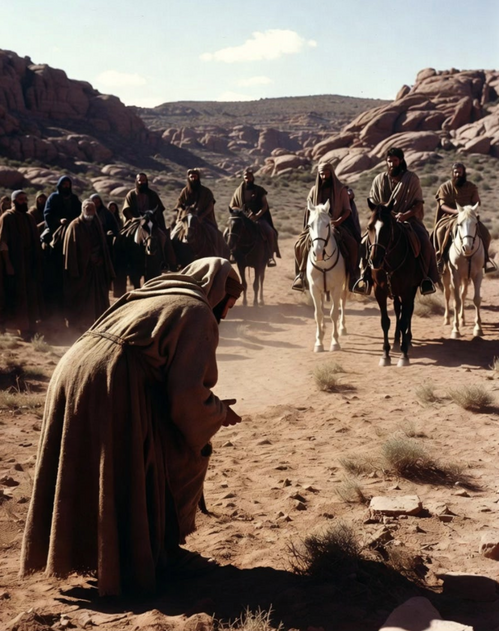
Genesis 33 opens with tension. Jacob lifts his eyes and sees Esau approaching—with four hundred men behind him.
This is not a warm family reunion.
This is a reckoning.
Twenty years earlier, Jacob had deceived his brother, stolen his blessing, and fled for his life. Esau had every reason to hate him. Jacob knows it. He has already heard that Esau is coming like a general marching to war.
But something has changed since the last time Jacob and Esau were in the same room.
The night before this encounter, Jacob wrestled—not with Esau—but with God. That struggle broke him, blessed him, and reordered his fears. He moved from fearing man to fearing God, from grasping for blessing through deception to receiving it by faith.
And here’s the principle we cannot escape:
Reconciliation with people begins with reconciliation with God.
Until peace is made within, peace cannot be made without.
This is not a warm family reunion.
This is a reckoning.
Twenty years earlier, Jacob had deceived his brother, stolen his blessing, and fled for his life. Esau had every reason to hate him. Jacob knows it. He has already heard that Esau is coming like a general marching to war.
But something has changed since the last time Jacob and Esau were in the same room.
The night before this encounter, Jacob wrestled—not with Esau—but with God. That struggle broke him, blessed him, and reordered his fears. He moved from fearing man to fearing God, from grasping for blessing through deception to receiving it by faith.
And here’s the principle we cannot escape:
Reconciliation with people begins with reconciliation with God.
Until peace is made within, peace cannot be made without.
Peace with God Produces Peace with Man
Scripture is relentless on this point.
Paul reminds us that reconciliation is first vertical before it is ever horizontal:
And again:
James explains why unresolved inner conflict always spills outward:
You cannot live at peace with others while remaining at war with God.
But once peace is made with God, something remarkable happens:
That does not mean everyone suddenly likes you. It means hostility loses its power because you’ve become a peacemaker.
Paul reminds us that reconciliation is first vertical before it is ever horizontal:
“You, who once were alienated and hostile in mind… He has now reconciled in His body of flesh by His death.” (Col. 1:21–22)
And again:
“God… through Christ reconciled us to Himself and gave us the ministry of reconciliation.” (2 Cor. 5:18)
James explains why unresolved inner conflict always spills outward:
“What causes quarrels and what causes fights among you? Is it not this, that your passions are at war within you?” (James 4:1)
You cannot live at peace with others while remaining at war with God.
But once peace is made with God, something remarkable happens:
“When a man’s ways please the Lord, He makes even his enemies to be at peace with him.” (Prov. 16:7)
That does not mean everyone suddenly likes you. It means hostility loses its power because you’ve become a peacemaker.
Four Requirements for Biblical Reconciliation
“God opposes the proud but gives grace to the humble.” (1 Pet. 5:5)
Why Reconciliation Looks Like the Gospel
At the heart of reconciliation is the gospel itself.
God was the most offended party—and yet He paid the cost.
He absorbed the pain.
He initiated the process.
He made restitution we could never afford.
And He did it through His Son.
When we reconcile, we look most like our Savior.
So the question isn’t whether reconciliation is possible.
The question is whether we are willing to walk the hard road Christ walked first.
Initiative — Someone has to take the first step.
Humility — Reconciliation goes low before it goes forward.
Restitution — Grace repairs what sin damaged.
Boundaries — Peace does not require proximity.
If God has reconciled us to Himself at such cost, how can we refuse the call to pursue peace with one another?
God was the most offended party—and yet He paid the cost.
He absorbed the pain.
He initiated the process.
He made restitution we could never afford.
And He did it through His Son.
When we reconcile, we look most like our Savior.
So the question isn’t whether reconciliation is possible.
The question is whether we are willing to walk the hard road Christ walked first.
Initiative — Someone has to take the first step.
Humility — Reconciliation goes low before it goes forward.
Restitution — Grace repairs what sin damaged.
Boundaries — Peace does not require proximity.
If God has reconciled us to Himself at such cost, how can we refuse the call to pursue peace with one another?

The Maximum Life Blog
My name is Zach Terry. The thoughts and opinions expressed in this blog are my own, with occasional interjections from my bride of nearly 25 years, Julie. This format of publication is meant to allow for engagement and interaction. Feel free to comment. But please, be nice.
Recent
Archive
2026
January
Cleansing the PalateThe Library of MankindSuch a Strange Way to Save the WorldLoved Like RachelCode Red | From the Army to Audiobooks — Faith, Literature, and the Making of a Voice ActorConverts and ConflictMaids and Mandrakes: Dysfunction, Departure, and Divine Grace in Genesis 30The Importance of Children's Theology BooksDealing with a Narcissist
2025
February
March
July
August
September
October
Why We Should Bless IsraelGovernment Shutdowns and God’s Blueprint for Smaller GovernmentCompassion and ConsequencesSodom, Netflix, and the Two Paths Before UsRevival Isn’t a Rumor — It’s HappeningIt’s Time to Stop Playing It SafeA New Door OpensPreach the Word. Show Your Hand.When “Love Your Neighbor” Becomes a WeaponA New Day DawningPaving the Way of Anti-ChristThe Church and the Honky-TonkMy Personal Position on Israel
November
2024
April
May
No Comments